Azzura Dive Center
Diving in Seychelles
Health and Safety
Pre travelIt is highly recommended to have a full medical examination before undertaking any scuba diving activity. Our dive center requires the completion of a medical questionnaire before diving which gives the opportunity to discuss any concerns you may have regarding your fitness and ability to dive.
InsuranceIt is crucial that you have an insurance policy with appropriate cover. Many insurances do not automatically cover scuba diving, so make sure you check with your insurance provider. It is recommended that you have adequate insurance cover for any emergency medical treatment that might arise in Seychelles, including emergency evacuation. Make sure you bring the relevant documents with you.
Medical treatmentsIf you feel unwell, have a cold, or just feel very tired, then it is best you take a day off from diving and snorkeling.
Hazardous marine lifeThe Seychelles Marine life is home to many sea creatures. Amongst them a re small number of species that should be handled with caution. Whether you are snorkeling or diving, you should avoid touching, standing or coming n close contact with. Although serious hazardous marine life injuries are rare, should you come into contact with any of the following marine animals, the described first aid care can assist in reducing discomfort.
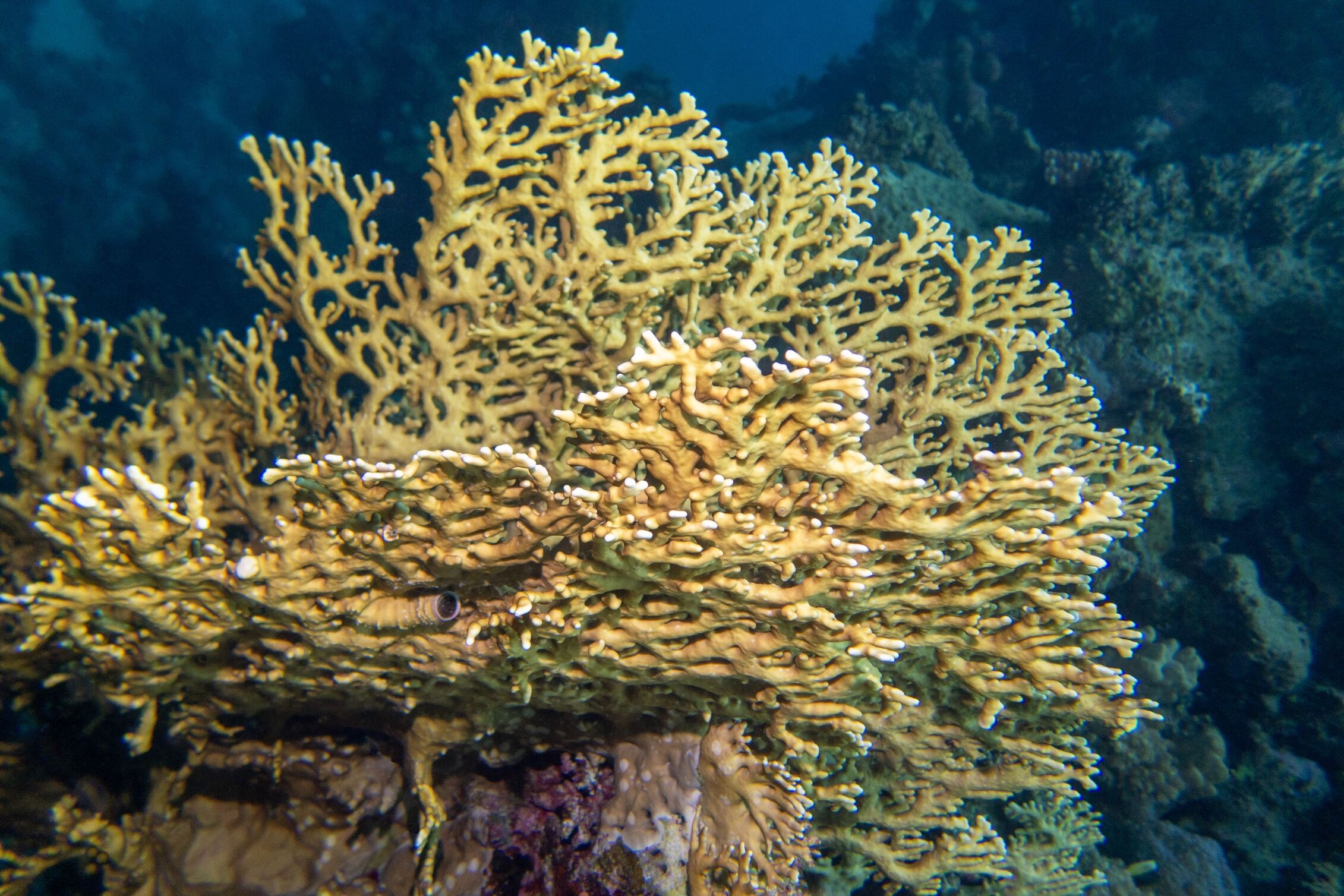
Fire Coral
Tan brown in color, it is covered in white hairs that cause a burning sensation if touched. Maintain good buoyancy and avoid contact. If you accidentally come in contact, flush the area with vinegar for at least 30 seconds.
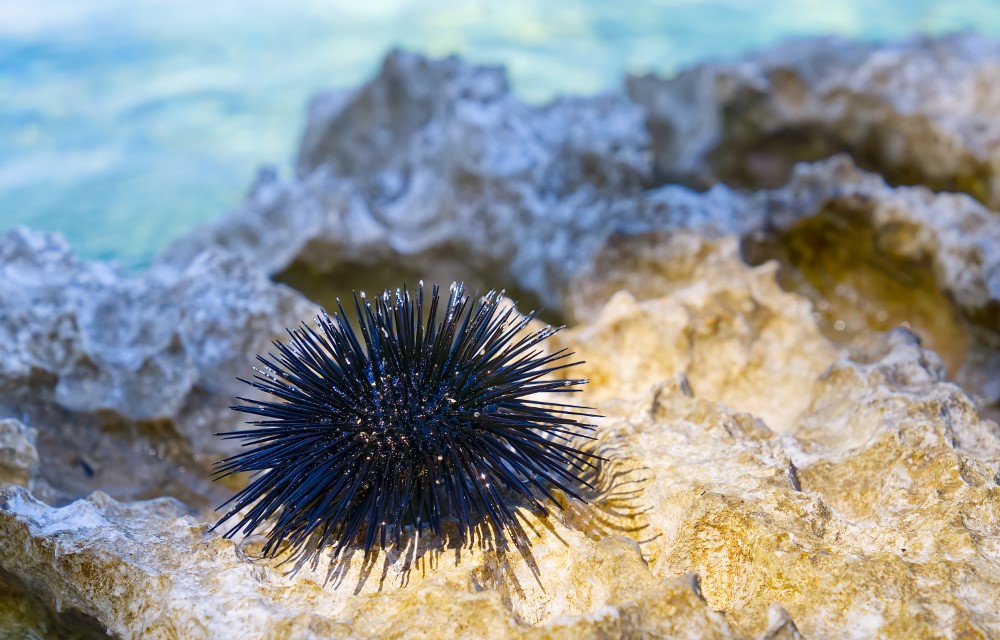
Sea Urchins
Spiny echinoderms are found on both the coral reefs and sea grass beds. They can be well camouflaged and their spines can become embedded in your skin. If injury does occur, immerse the area in hot water for at least30 minutes to dissolve the spine. If possible, remove any remaining spines carefully without breaking them. Pain and swelling may occur, and antibiotics may be needed if infection is suspected.
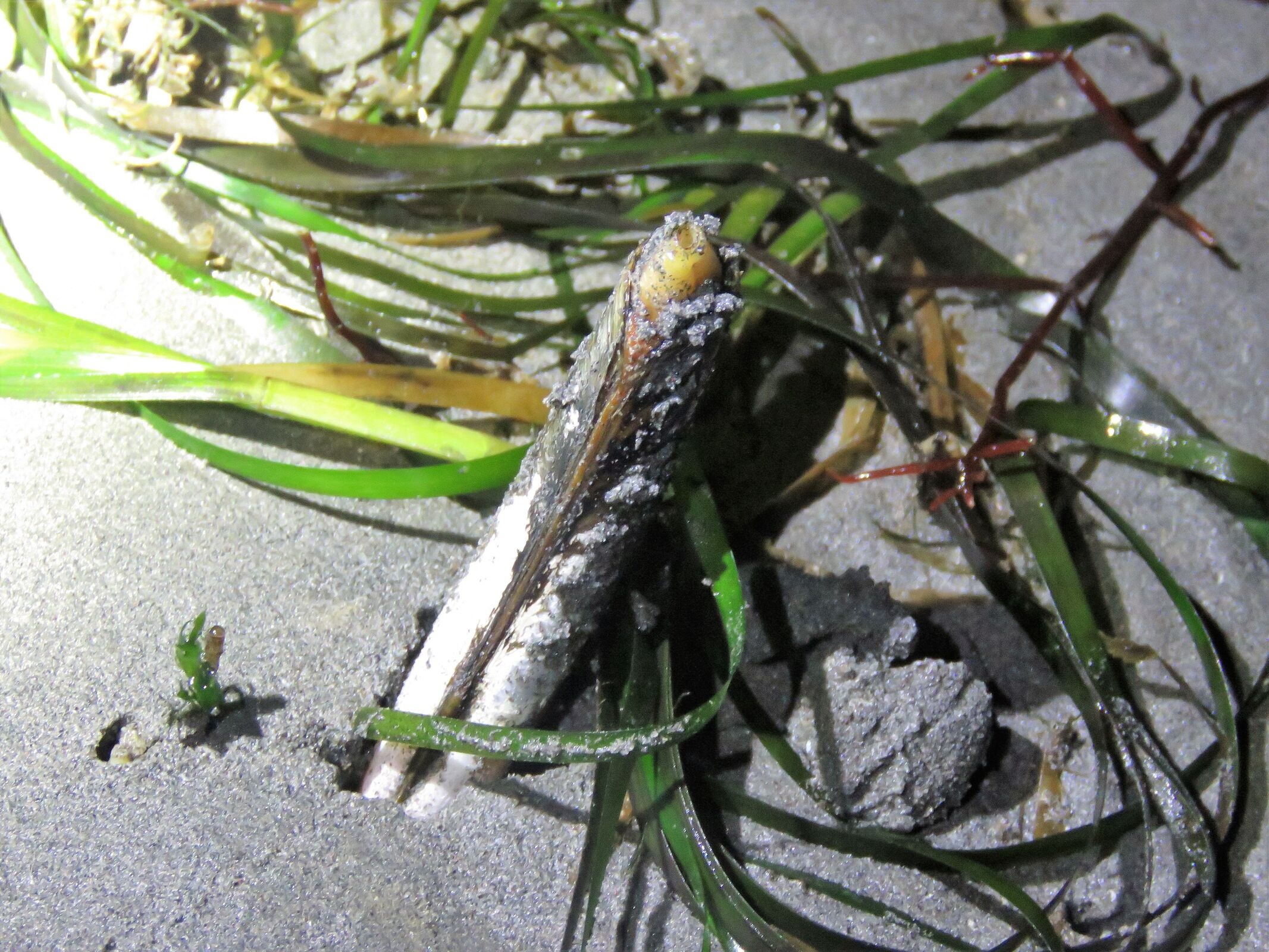
Razor Clams
Hidden in the sandy substrate of seagrass beds, these bivalves have a razoring sharp edge to their shell, which if stepped on can cause a deep cut. Always wear reef shoes or dive booties when walking on sea beds. If injured, exit the water immediately and seek medical intervention if necessary.
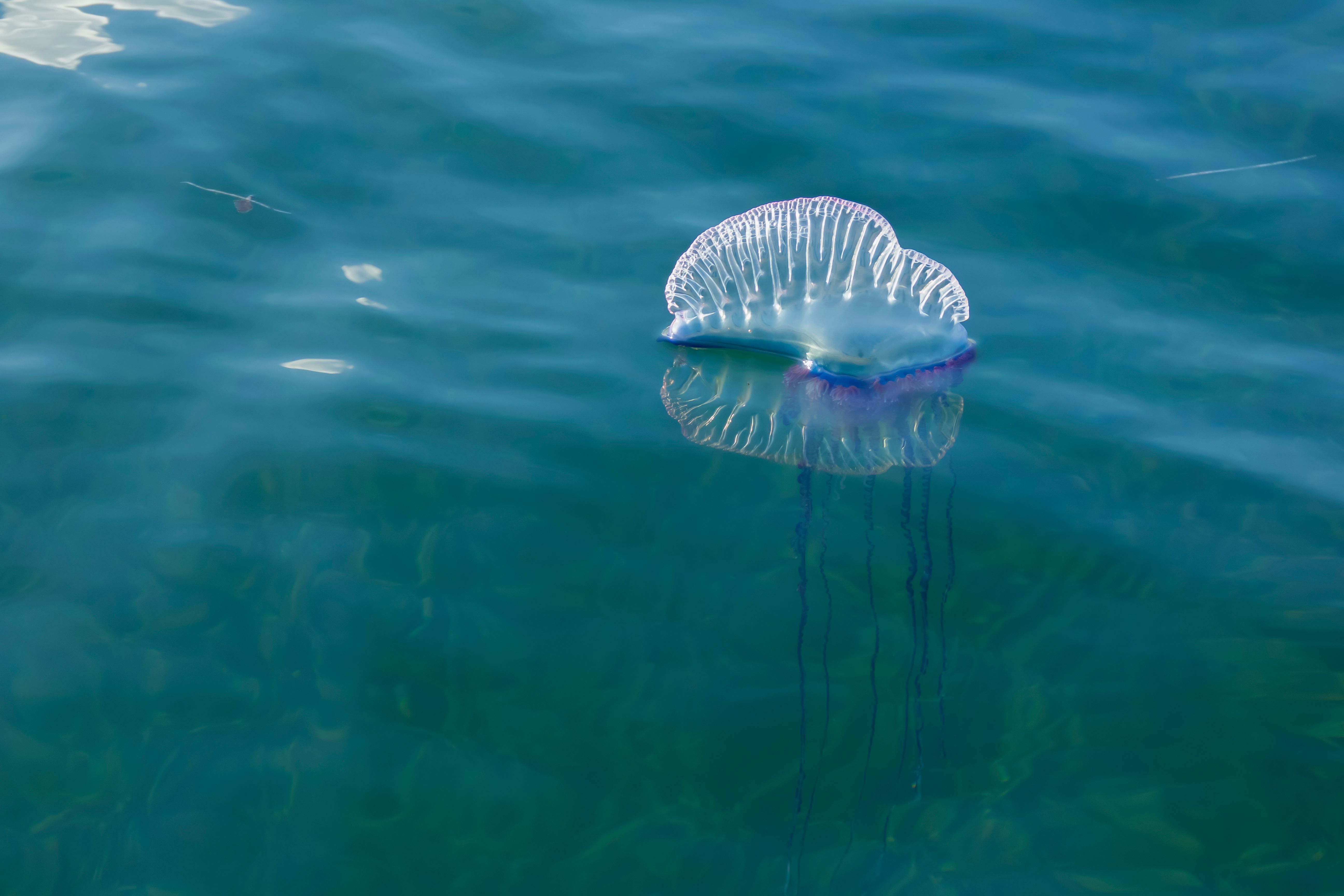
Jellyfish
These drifters are more prevalent in the south east monsoon, though they can be encountered year-round. The Portuguese man of war are gas filled sac, which floats on the water surface and its long tentacles trailing in the sea. It has distinct purple color and the tentacles can give a painful sting. During rough sea conditions, they can be seen washed up on the shores. If stung remove the tentacles and flush the area with vinegar for at least 30 seconds. Once reaction has subsided, apply hydrocortisone cream daily until any discomfort has been alleviated. In the event of serious allergic reaction, seek medical attention as soon as possible.
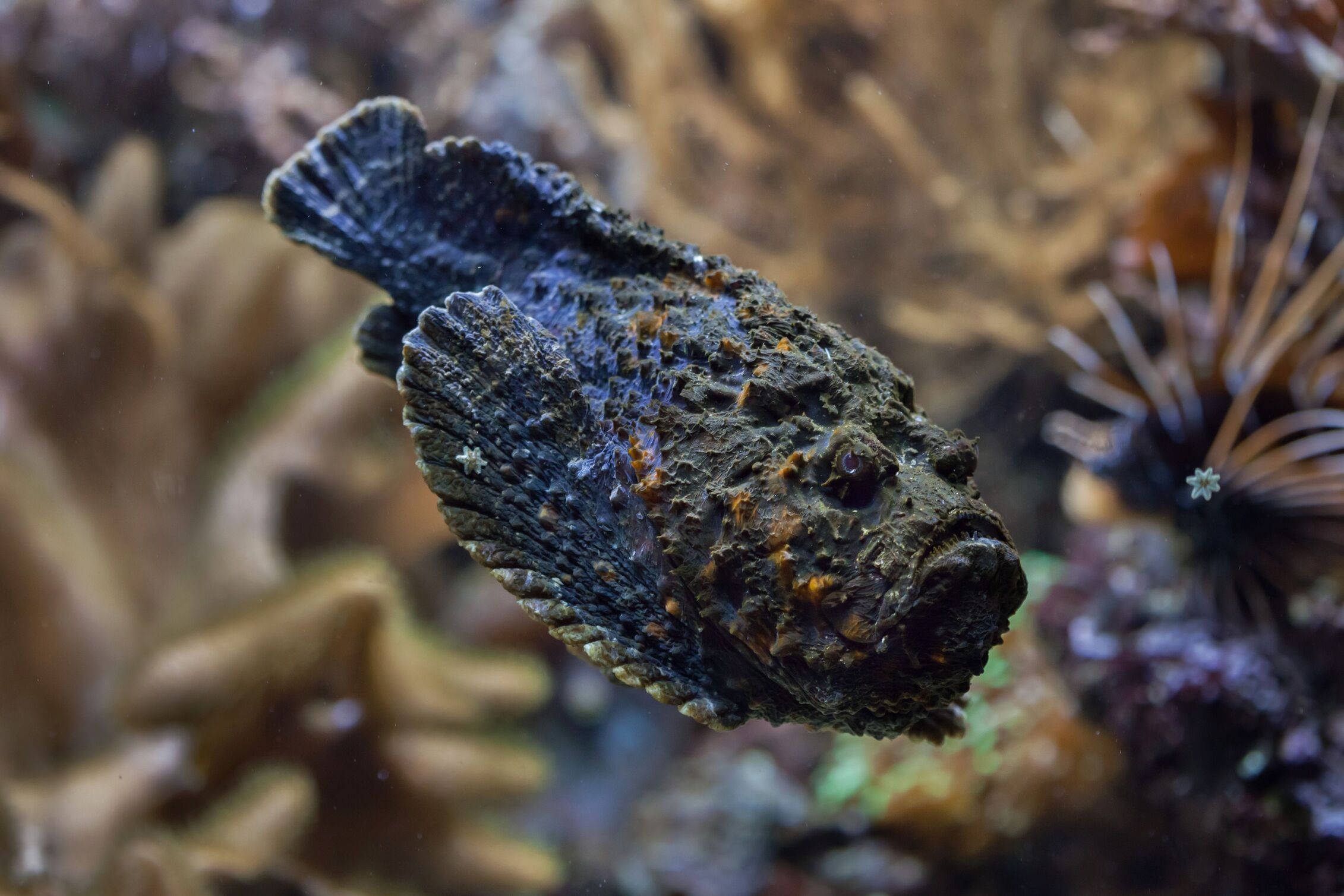
Stonefish / Scorpionfish
These are well hidden and hard to spot. The poison is administered from a gland at the base of its dorsal fin spines and can be extremely painful. If stung, immerse area in very hot water for at least 30 minutes to breakdown the protein-based venom. If any spines are present, remove with care to not break any in the skin. Pain and swelling will occur and antibiotics may be needed if infection is suspected.
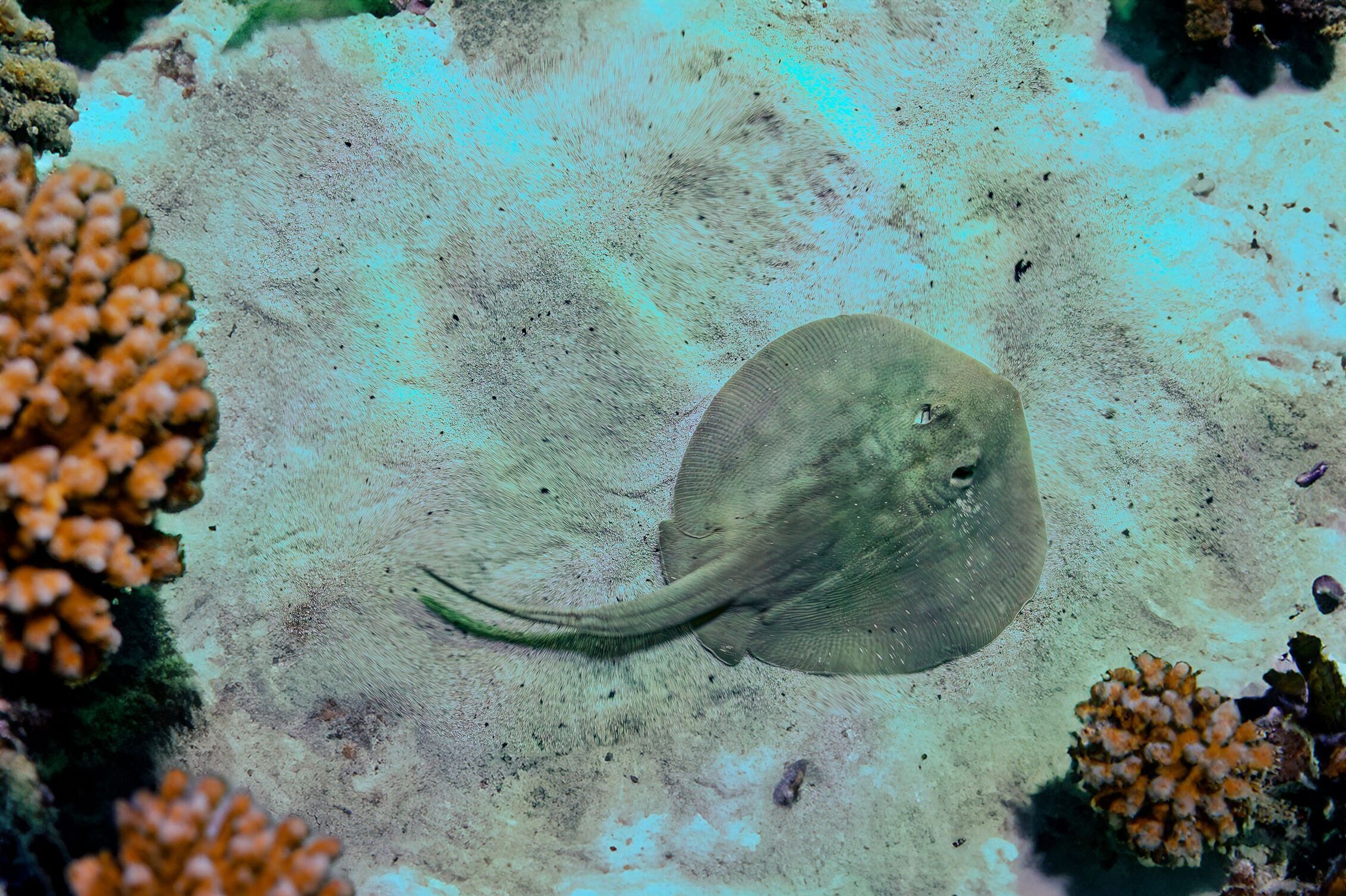
Stingray
Often found resting in the sand or sea grass. If walking in shallow water, make sure to shuffle your feet so as to disturb any rays, and always look where you are walking. In the event that you are stung by ray, remove the barb (if there is one) and immerse affected area in hot water for 30 minutes.
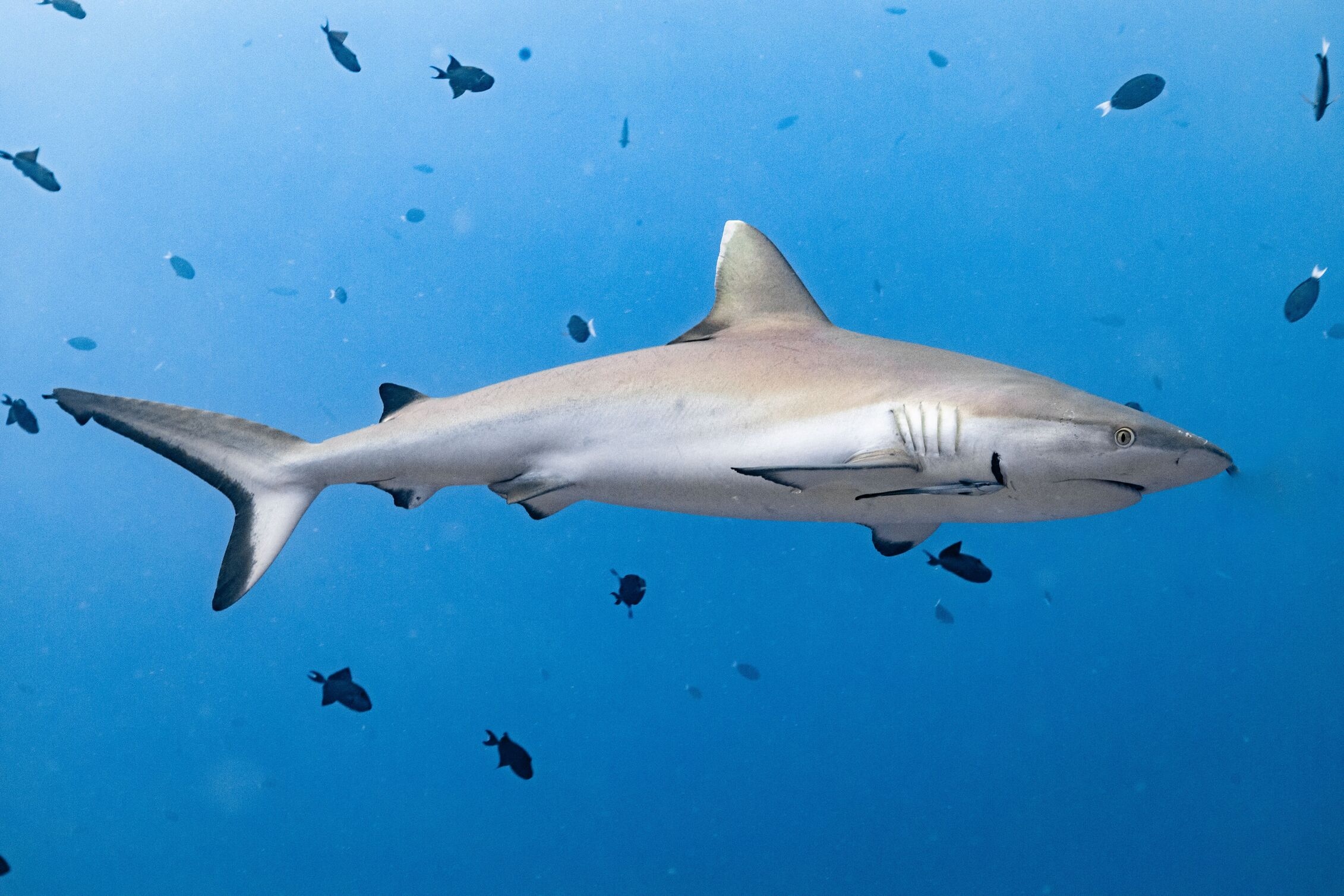
Sharks
Incidents involving sharks in Seychelles are extremely rare. They are unlikely to act in aggressive manner unless threatened. Never corner a shark or try to handle one; even the smallest reef shark is capable of causing a painful bite.
Sea conditions
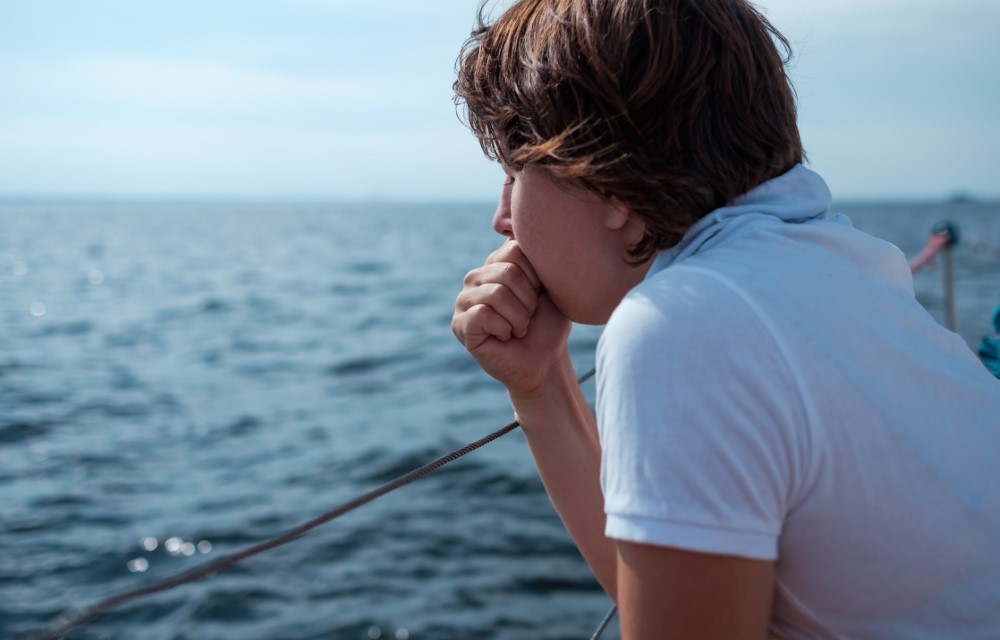
Seasickness
This condition can come quickly and unexpectedly, even to those who are not usually susceptible. Factors such as the smell of engine fumes, too much sun, or tiredness can trigger it.
If planning to dive, use non-drowsy seasickness medication or natural remedies like ginger. Stay out of the sun, hydrate well, and focus on the horizon. Symptoms often subside once underwater.
If severe seasickness occurs, postpone further dives until symptoms pass and you are rehydrated. For snorkeling, reschedule trips if the sea is choppy.

Sunburn
At only 4° south of the equator, the sun in Seychelles is extremely strong. Always use high SPF sunscreen and reapply regularly. If snorkeling, wear a t-shirt or rash vest and apply sunscreen on exposed skin. Drink plenty of water before and after your activity to stay hydrated.
Currents and Tides
Strong currents can be found at several dive and snorkeling sites, so care should be taken according to tides and sea conditions. Dive guides will inform you of any strong currents during your dive — always stay close to your buddy and dive guide.
If snorkeling independently, observe the strength and direction of currents before entering. For safety, ask your hotel or dive center about local sea conditions before your trip.
Provided that you dive within your limits and follow advice of your dive center professionals, the risk of developing Decompression sickness (DCS) is minimal. It is unadvisable to dive if you are under the influence of alcohol and drugs, dehydration, ill health or using certain prescribed medications.
DCS is also known as “the bends” and is a result of inadequate decompression following exposure to increased pressure. Symptoms and signs usually appear within 15 minutes to 12 hours after surfacing, but in severe cases, it may appear before surfacing or immediately afterwards. Delayed occurrence of symptoms is rare, but can occur, especially if air travel follows diving.
Symptoms include:-
Unusual tiredness
-
Skin itch
-
Pain in joints and or muscles of the arms, legs and torso
-
Dizziness, vertigo ringing in the ear
-
Numbness, tingling and paralysis
-
Shortness of breath
-
Skin may show blotchy rash
-
Paralysis, muscle weakness
-
Difficulty urinating
-
Confusion, personality changes, bizarre behavior
-
Staggering
-
Coughing up bloody, frothy sputum
-
Collapse or unconsciousness
When diving
-
Get checked out by diver before diving
-
Make sure to take out sufficient insurance
-
Maintain Neutral buoyancy on your dives and do not touch any marine lives
-
Always dive within your limits oe experience of training.
-
Always tell someone where you are going, never snorkel alone
-
Wear life jacket if unconfident
-
Make sure to leave water before sunset
-
Do not overestimate your ability.
-
Check your position regularly, and swim back to shore if you find yourself drifting too quickly
Weather and climate
Seychelles has the blissful advantage of being near the equator with constant temperatures that rarely drops below 24 degrees Celsius. Throughout the year, temperatures range between 24 to 32 degrees Celsius. Our tropical climate is marked by two different seasons namely the North West Monsoon and the South East Trade Monsoon.
The North west monsoon runs from November to March. It brings in heavy rains and choppy seas, interspersed with calm, sunny periods. Wind speed varies between 15 to 22 kph. Highest rainfall is between December and February.
Sea temperature and visibility
The sea temperature varies from 23 to 30 degrees Celsius throughout the year with the lower temperatures during the southeast monsoon from June to September. Once the North West monsoon arrives October/ November the temperatures start to rise and by April the water can be balmy 30 degrees Celsius.
The change in Monsoon can also affect underwater visibility. The south east Monsoon brings cold upwellings of plankton rich water, which can reduce the visibility to only a few meters. During the Northwest monsoon the visibility is a bit better with right conditions it can be over 30m. it is to be noted the water visibility is variable throughout the yar and rough seas can often stir up sand and sediment particularly on the sites close to the shoreline.